Social media marketing can deliver measurable growth for businesses of all sizes, from local bakeries to national e-commerce brands. A strong strategy, however, requires more than just posting content; it demands data-driven decisions, community engagement, and a clear understanding of your audience. Through targeted training, businesses can achieve significant boosts in engagement, web traffic, and sales.
Key Takeaways
- Targeted Content is Crucial: Businesses saw up to a 50% increase in engagement by creating content—like behind-the-scenes videos and user-generated stories—that resonated directly with their specific audience.
- Community Engagement Drives Loyalty: Actively responding to comments, hosting Q&A sessions, and building private groups helped foster a loyal community, leading to higher retention and in-store visits.
- Data Analytics Inform Strategy: Using social media analytics to identify top-performing content allowed businesses to refine their strategies, resulting in follower growth of over 30%.
- Paid Ads and Influencers Amplify Reach: Combining organic efforts with targeted paid advertising and influencer collaborations led to a 40% increase in website traffic and a 25% rise in online sales for one e-commerce store.
Expert Commentary
"The principles of social media success haven't changed, but the tools have. In 2026, we're using AI-powered platforms like Agorapulse or Sprout Social to analyze performance and AI tools like Jasper or Copy.ai to draft initial content. The strategy, however, remains human-centric. These case studies prove that understanding your customer is still the most important part of any digital marketing effort."
— Michelle Hummel, CEO of Web Media University
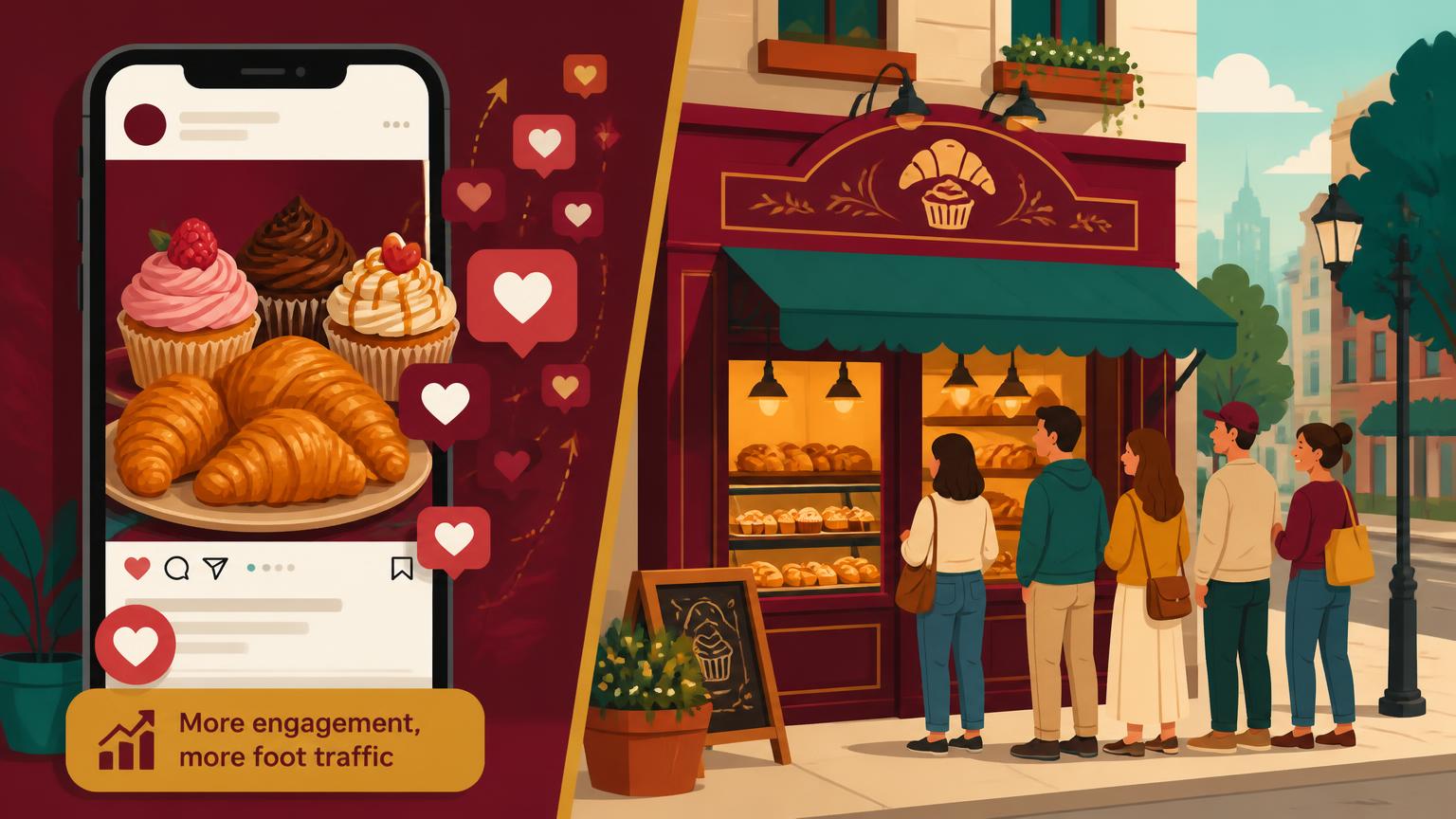
Small businesses can use social media to increase sales by transforming their online presence into a powerful customer acquisition engine. This involves creating engaging content that showcases products in authentic ways, building a loyal community that trusts your brand, and using data to make informed decisions. A local bakery, for instance, turned their social media from a simple gallery into a dynamic sales channel.
- Business: A small local bakery with a loyal but limited customer base.
- Challenge: The bakery struggled to attract new customers and increase foot traffic. Their social media was inconsistent and lacked a clear strategy to drive in-store visits.
- Solution: The owner enrolled in Web Media University's Beginner Social Media Certification program. They learned foundational skills for creating compelling content, engaging with followers, and using platform analytics to measure what works.
What Steps Did the Bakery Take?
- Created Behind-the-Scenes Content: They began sharing videos of their baking process and photos of daily specials. This authentic content resonated with their audience and made the brand more relatable.
- Fostered a Community: The owner started responding to every comment and message promptly. They also hosted weekly Q&A sessions and live baking tutorials, creating an interactive and loyal online community.
- Analyzed Performance Data: Using insights from Meta Business Suite analytics, the bakery identified which content types generated the most engagement and reach. This data-driven approach allowed them to double down on what worked.
What Was the Outcome?
- Engagement increased by 50%, driven by interactive and behind-the-scenes content.
- Follower count grew by 30% as their content reached a wider local audience.
- In-store foot traffic rose by 20%, directly impacting sales and revenue.
This success story shows that even with a small budget, a foundational understanding of social media marketing principles can lead to significant real-world results.
[Image suggestion: A collage showing a phone with an engaging Instagram post for a bakery next to a picture of a busy storefront. Alt-text: "A local bakery's social media success, showing an increase in engagement and foot traffic after implementing a new content strategy."]
How Can E-commerce Stores Drive More Website Traffic?
E-commerce stores can drive more website traffic by implementing a multi-faceted social media strategy that combines high-quality organic content, influencer marketing, and targeted paid advertising. An online jewelry store, for example, used this approach to stand out in a competitive market and convert social media engagement into online sales.
Case Study 2: How an E-commerce Store Grew Sales by 25%
- Business: An e-commerce store specializing in handmade jewelry.
- Challenge: The store had high-quality products but struggled to attract website traffic and convert visitors into customers in a crowded market.
- Solution: The marketing team enrolled in Web Media University's Advanced Social Media Certification, focusing on influencer marketing, paid advertising, and advanced content strategies.
What Advanced Strategies Did They Implement?
- Developed a Sophisticated Content Strategy: They elevated their content to include professional product photos, customer testimonials, and user-generated content (UGC). This built social proof and trust with potential buyers.
- Partnered with Micro-Influencers: The team identified and collaborated with micro-influencers whose personal brands aligned with their jewelry. These influencers created authentic content that drove targeted traffic to the store's website.
- Launched Targeted Paid Ad Campaigns: Using the skills from their training, the team created and optimized targeted ad campaigns on Facebook and Instagram. These ads focused on driving high-intent traffic directly to product pages.
What Was the Outcome?
- Website traffic increased by 40%, primarily from influencer collaborations and paid ads.
- Online sales grew by 25% due to the high-quality, targeted traffic.
- Brand awareness expanded as influencer and user-generated content reached new, relevant audiences.
This case study highlights how combining organic content with strategic investments in influencer marketing and paid ads can deliver a powerful return for e-commerce brands.
Service-based businesses, like fitness studios, can build a strong online community by sharing valuable content, fostering interaction, and creating exclusive online spaces for their members. A local fitness studio successfully used this model to boost class attendance and improve member retention.
Case Study 3: How a Fitness Studio Increased Member Engagement
- Business: A fitness studio offering a variety of in-person classes.
- Challenge: The studio wanted to build a supportive online community to complement its physical location, increase class sign-ups, and keep members motivated.
- Solution: The studio's owner and staff completed both the Beginner and Advanced Social Media Certifications to master content creation, community management, and social media tools.
- Shared Value-Driven Content: They posted daily workout videos, fitness tips, and member success stories. This content provided real value and positioned the studio as an authority in fitness.
- Hosted Interactive Virtual Events: By hosting virtual workout sessions and live Q&A events with trainers, the studio made its expertise accessible and fostered a strong sense of community beyond its physical walls.
- Created an Exclusive Members-Only Group: They launched a private Facebook group for members to share their progress, ask questions, and motivate one another, which significantly improved member retention.
What Was the Outcome?
- Social media engagement increased by 35%.
- Class sign-ups saw a noticeable lift as the online community drove interest in in-person offerings.
- Member retention improved due to the strong sense of community and continuous support.
This case study proves that for service businesses, social media is a powerful tool for building a community that drives both online engagement and offline business goals.
How Can I Achieve Similar Results for My Business?
Achieving similar results requires a commitment to learning and applying proven social media marketing strategies. Whether you are a beginner looking to build a foundation or an experienced marketer aiming to master advanced tactics, structured training is the most effective path forward. Web Media University provides the curriculum, expert guidance, and hands-on experience needed to succeed.
| Feature |
How It Helps You Succeed |
Relevant Course Program |
| Comprehensive Curriculum |
Covers everything from content creation and community management to paid ads and analytics. |
AI Marketing Certification |
| Expert Instructors |
Learn directly from seasoned industry professionals who provide practical insights and feedback. |
All Programs |
| Hands-On Projects |
Apply what you learn through real-world exercises and case studies to build practical skills. |
Beginner Social Media Certification |
| Professional Community |
Network with other marketing professionals and gain access to exclusive resources and support. |
Membership |
Frequently Asked Questions (FAQ)
What social media platforms should my business use?
The best platforms depend on your target audience. Facebook and Instagram are excellent for visual brands and broad consumer audiences. LinkedIn is ideal for B2B businesses. TikTok and Instagram Reels are powerful for reaching younger demographics with video content.
How much should I spend on social media marketing?
Your budget can start small. For a local business, even $10-$20 per day on targeted ads can increase reach. The key is to test, measure your Return on Ad Spend (ROAS) using analytics, and scale your budget based on what delivers results.
How long does it take to see results from social media marketing?
While you can see initial engagement within weeks, building a sustainable presence and driving significant sales can take 3-6 months. Consistency in posting high-quality content and engaging with your audience is crucial for long-term success.
Ready to transform your social media presence and achieve measurable growth for your business? Take the next step with expert guidance.
- Book a free assessment to identify your biggest marketing opportunities.
- Explore our certification programs to find the right fit for your career goals.
This article was updated by Michelle Hummel, a marketing expert and the founder of Web Media University, who is dedicated to helping businesses thrive in the digital age.