Getting a reputable social media certification involves a few key steps. The goal is to choose a program that is respected in the industry and provides practical, up-to-date skills that you can apply immediately.
Here is a step-by-step guide to getting certified:
- Research Accredited Programs: Identify institutions known for high-quality marketing and business training. Look for programs like the AI Marketing Certification that are clearly focused on current and future industry needs.
- Evaluate the Curriculum: Review the course syllabus to ensure it covers modern, in-demand topics. Key areas should include AI in content creation, social media analytics, platform-specific strategies (e.g., LinkedIn for B2B, TikTok for Gen Z), and campaign measurement (ROI).
- Check for Practical Application: The best programs include hands-on projects, case studies, and real-world assignments. This ensures you can apply what you learn. Avoid programs that are purely theoretical.
- Enroll and Complete the Coursework: Dedicate time to absorb the material and engage with instructors and fellow students. The network you build during your certification can be as valuable as the credential itself.
- Add the Certification to Your Professional Profiles: Once you pass the final assessment, prominently display your new credential on your resume, LinkedIn profile, and professional website. This is crucial for catching the attention of recruiters.
Frequently Asked Questions (FAQ)
Yes, a social media certification is highly worth it. It provides verifiable proof of your skills in a competitive job market, often leading to better job opportunities, a higher salary, and greater career advancement prospects. It demonstrates a commitment to professional excellence.
The best certification depends on your career goals. Look for programs that emphasize strategic skills, AI integration, and analytics. The Web Media University AI Marketing Certification is designed for professionals who want to master the next generation of marketing tools and strategies.
While challenging, it is possible. A certification gives you a significant advantage by proving you have the foundational knowledge. To supplement this, create a portfolio of sample projects (e.g., a content strategy for a mock brand) to showcase your practical skills to potential employers.
Salaries vary by location and experience, but certified social media professionals often earn more than their non-certified peers. The certification can be a key factor in negotiating a higher starting salary and justifies promotions to more senior, higher-paying roles.
Ready to strengthen your resume and accelerate your career? A certification is more than a line on a resume—it's a testament to your expertise and a direct path to greater opportunities. Invest in your future by developing the strategic, AI-powered social media skills that today's employers demand.
About the Author:
Michelle Hummel is an award-winning CEO and the founder of Web Media University, a leading institution for AI-powered marketing and business training. With a mission to empower professionals and businesses, she is a recognized authority on preparing the workforce for the future of digital innovation.
Take the next step: View our certification programs to find the right fit for your career goals.



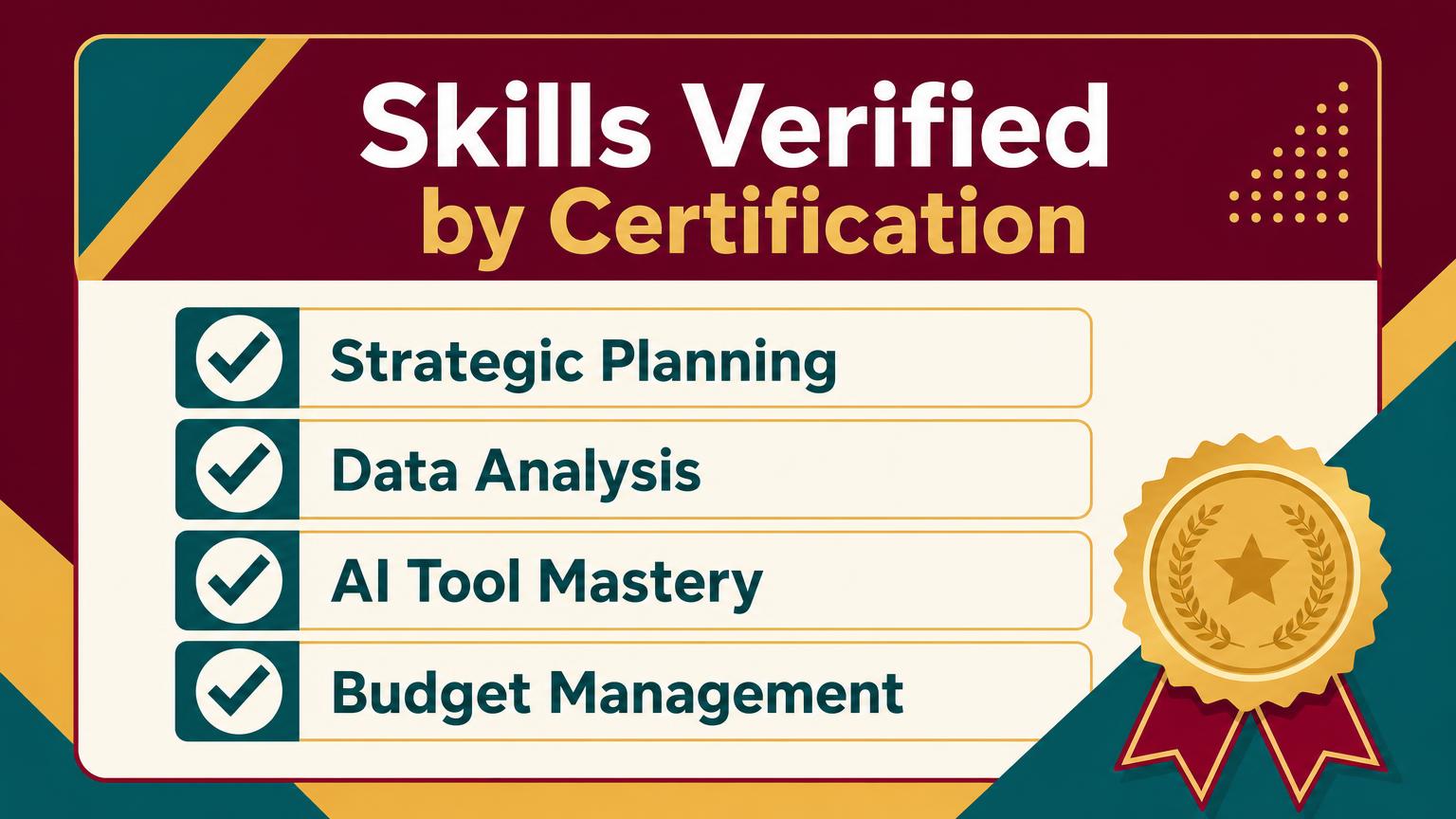 What a certification actually verifies for a hiring manager.