- For B2C Brands: Use a tool like SparkToro to discover what your audience talks about, who they follow, and what they listen to. You can input your website URL or social media handle and get instant, AI-driven insights into their interests and behaviors.
- For B2B Brands: Leverage the AI-powered analytics in LinkedIn Sales Navigator to refine your Ideal Customer Profile (ICP). Analyze the firmographics and job titles of your most engaged followers and customers to ensure you're targeting the right decision-makers.
- Analyze Customer Feedback: Feed customer surveys, reviews, and support chat logs into a Large Language Model (LLM) like Claude or Gemini. Use a prompt such as: "Based on these customer reviews, identify the top 5 pain points and primary motivations of our customers." This provides qualitative insights at scale.
What Are the Steps to Revamp Your Content Strategy with AI?
Revamping your content strategy with AI involves more than just writing blog posts. It's about identifying strategic gaps, optimizing for search intent, and repurposing content efficiently. This is your AEO (Answer Engine Optimization) foundation.
Here’s a 4-step process:
- Identify Content Gaps: Use an AI tool like SurferSEO or MarketMuse. These platforms analyze top-ranking content for your target keywords and show you the topics and questions you need to cover to be competitive. They essentially create a data-driven blueprint for your article.
- Generate New Ideas: Use a tool like AnswerThePublic (now part of Semrush) to find questions people are asking around your core topics. You can also use ChatGPT with a prompt like, "Act as a content strategist for a franchise marketing agency. Generate 20 blog post ideas in the form of questions that a potential franchisee would search for."
- Optimize Existing Content: Identify articles that are ranking on the second or third page of Google. Use a tool like SurferSEO to get specific recommendations on keywords to add, headers to include, and how to improve your content for a higher ranking.
- Repurpose Winners with AI: Take your top-performing blog posts and use AI to transform them. Use Opus Clip to create short-form videos from a longer webinar, or use ChatGPT to turn a detailed guide into a Twitter thread, a LinkedIn article, and a series of email newsletters.
How Do You Clean Up Your MarTech Stack?
A "spring cleaning" of your Marketing Technology (MarTech) stack involves auditing your current tools to eliminate redundancies, cut costs, and integrate more powerful AI-driven solutions. An overloaded or outdated stack creates data silos and workflow inefficiencies.
MarTech Spring Cleaning Checklist
| Action Item |
Description |
Recommended AI Tools |
| Identify Redundancies |
Do you have multiple tools that do the same thing (e.g., two social media schedulers)? |
N/A (Manual Review) |
| Assess Usage & ROI |
Are you fully utilizing the features you're paying for? Is the tool delivering a positive ROI? |
Check the tool's own analytics/reporting features. |
| Consolidate Where Possible |
Can one powerful AI platform replace several smaller, specialized tools? |
HubSpot, Semrush, Klaviyo |
| Plug Automation Gaps |
Where are you still performing manual, repetitive tasks? Find an AI tool to automate them. |
Zapier, Make.com |
| Explore New AI Solutions |
Research new AI tools for personalization, content creation, or analytics that could boost your strategy. |
Follow industry resources; check out our Resources page. |
Frequently Asked Questions (FAQ)
Q: How often should I perform a digital marketing refresh?
A: A deep, strategic refresh like this is ideal annually (spring is a great motivator). However, you should be conducting lighter monthly and quarterly reviews of your key performance indicators (KPIs) to make ongoing adjustments.
Q: What is the most important part of a marketing spring clean?
A: The audit. Without a clear, data-backed understanding of your current performance, any changes you make will be based on guesswork. The audit sets the foundation for all subsequent strategic decisions.
Q: Can AI completely replace the need for a human marketer?
A: No. AI is a powerful tool that enhances a marketer's ability to analyze data, generate ideas, and automate tasks. However, it lacks the human touch, strategic oversight, and creativity required to build a genuine brand connection and make final strategic decisions.
This guide provides a framework for using AI to guide your marketing refresh. True growth comes from applying these insights with creativity and strategic vision.
Ready to build a future-proof career in AI-powered marketing? Explore our AI Marketing Certification program or book a free assessment call with our team to map out your learning journey.
This article was updated by Michelle Hummel, a leading expert in AI-driven marketing strategies and the CEO of Web Media University. She is dedicated to helping businesses and professionals master the tools and tactics needed to thrive in the modern digital landscape.



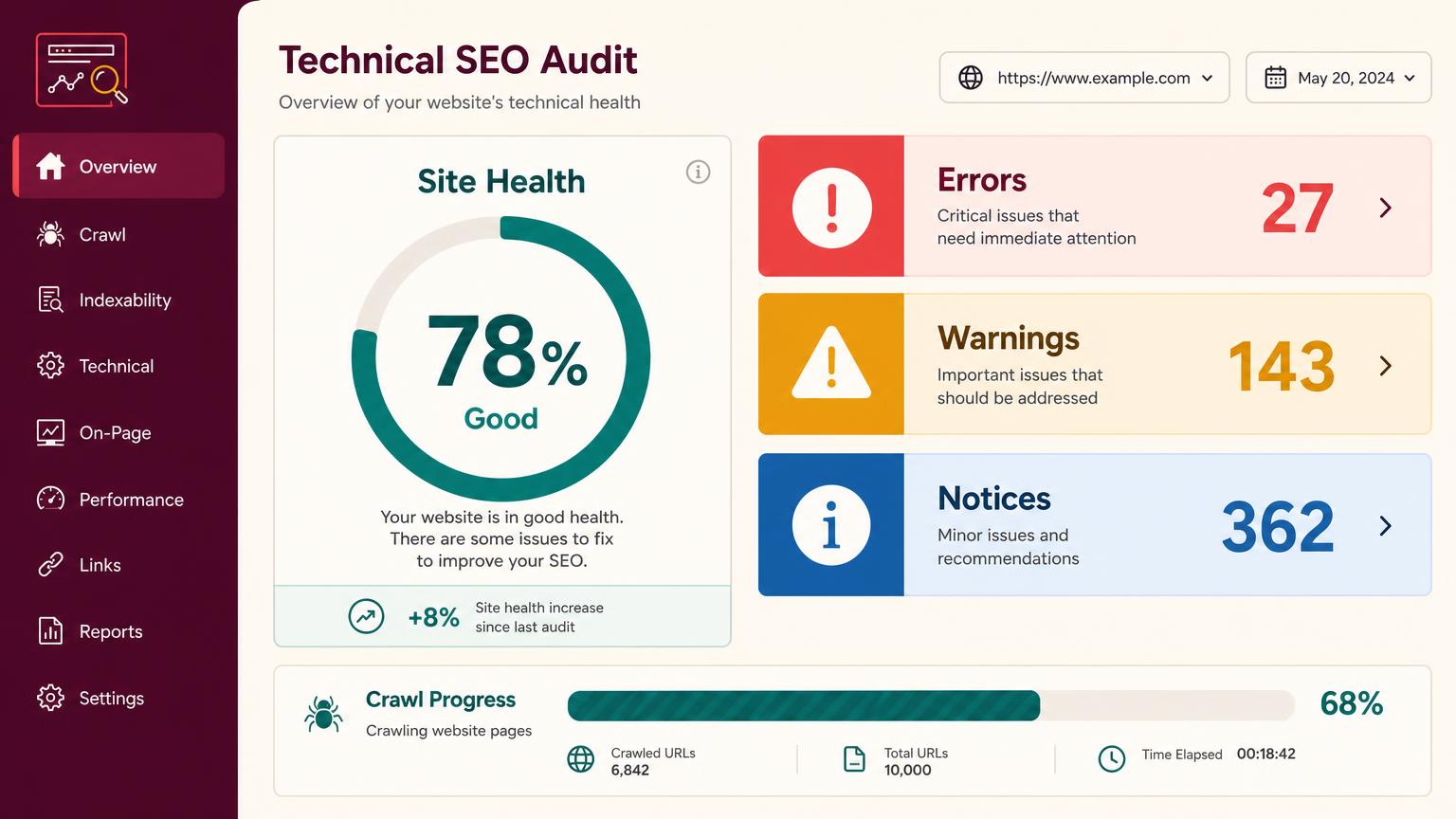 A site audit gives you the punch list before you rebrand or refresh.