
Latest Marketing Tips
Website Security for the Holidays: Protect Your Traffic, Data, and Revenue
The holiday season brings a surge of traffic, sales, and opportunities for businesses online. While this is the perfect time to capture new customers, it’s also when websites are most vulnerable to cyber threats. Hackers know that increased traffic often comes with busy teams and higher transaction volumes, making holiday shopping season a prime target. Ensuring your website is secure isn’t just a technical necessity—it’s a critical business strategy to protect your revenue, customer trust, and brand reputation.
1. Secure Your Website With SSL
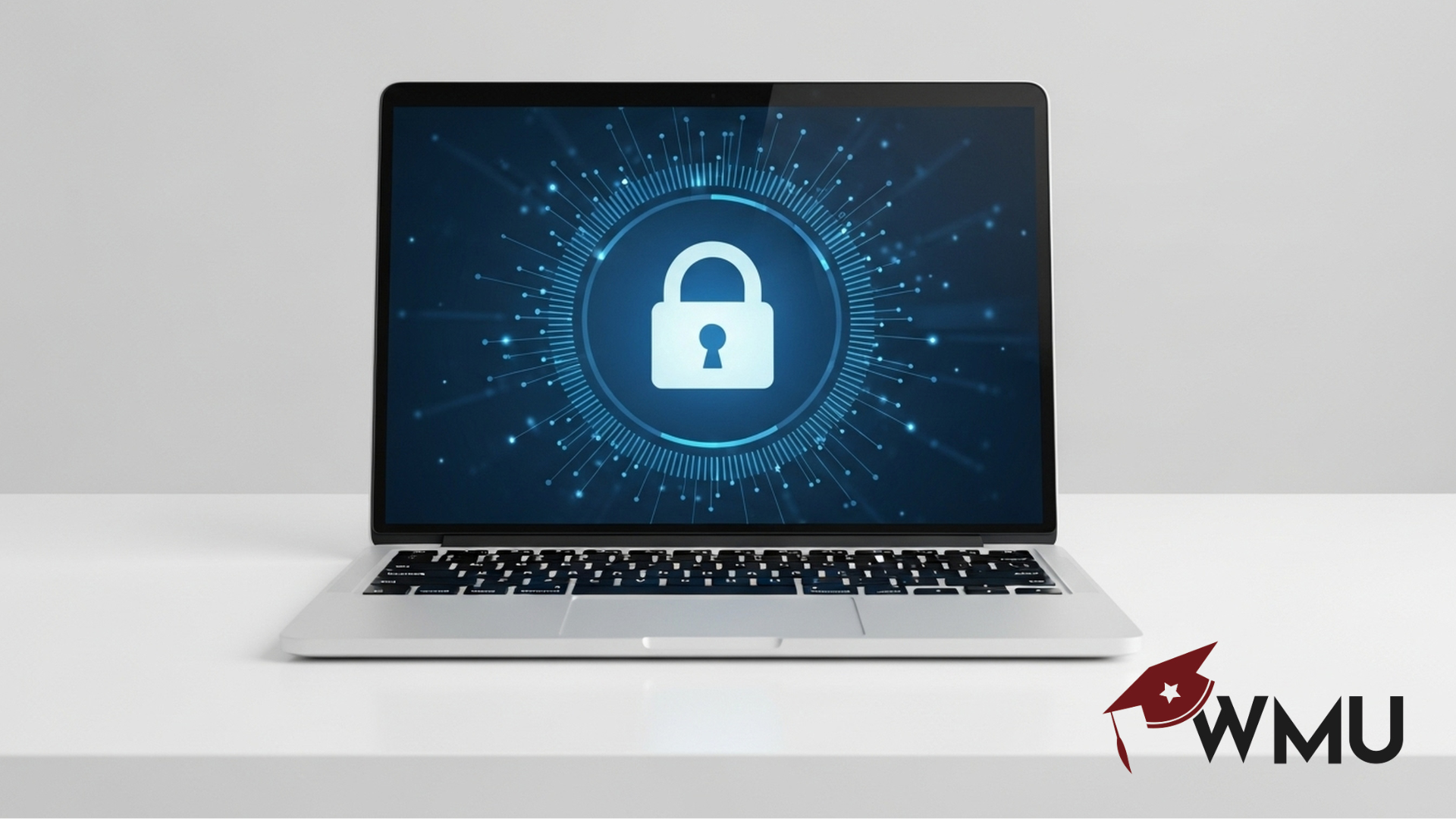
The first step to protecting your website is an SSL certificate. SSL (Secure Sockets Layer) encrypts data transmitted between your website and visitors, keeping sensitive information like credit card numbers, passwords, and personal details safe. Beyond security, browsers display visual cues like a padlock or “https” that reassure customers your site is trustworthy. During the holidays, this small step can make the difference between a completed sale and an abandoned cart.
2. Keep Software and Plugins Updated
Outdated software is one of the easiest ways for hackers to gain access to your site. Make sure your content management system (CMS), plugins, and e-commerce tools are all updated to the latest versions. Automated updates or regular maintenance checks can prevent vulnerabilities that could compromise your data during high-traffic periods.
3. Use Strong Passwords and Multi-Factor Authentication
Weak passwords are a common entry point for cyberattacks. Encourage your team to use complex, unique passwords for all accounts associated with your website. Multi-factor authentication (MFA) adds an extra layer of protection by requiring an additional verification step before login, making unauthorized access far more difficult.
4. Backup Your Website Regularly
No system is invincible. Regular backups ensure that if something goes wrong—whether from a cyberattack, server crash, or accidental deletion—you can quickly restore your site. During the holidays, even a short downtime can lead to lost sales and frustrated customers, so having a backup plan is critical.
5. Monitor Traffic and Activity
Keep an eye on unusual spikes in traffic, multiple failed login attempts, or other irregular behavior. Real-time monitoring and alerts can help you identify and respond to potential threats before they escalate. Proactive monitoring keeps your website secure while allowing you to focus on serving your customers.
Protect Your Business With Knowledge
Website security is not just an IT issue—it’s a core part of running a successful online business. A single breach can result in lost revenue, damaged reputation, and frustrated customers. By implementing these cybersecurity basics, you create a safer shopping experience and protect your bottom line during the holiday rush.
At Web Media University, we teach business owners and marketing professionals how to combine strong security practices with effective online strategies. Our online courses give you the tools to safeguard your site, optimize your performance, and grow your brand confidently.
✨ Keep your traffic, data, and revenue safe this holiday season. Schedule your free consultation today 👉 Click to Book

Our Alumni

John A. Fallone
Founder of Traininguru Masters

Travis Wagoner
Alumni Relations & Communications Director - Trinity High School

Sara Cullin
Rumpke Senior Corporate Communications Coordinator

Mark Walker
City of Cincinnati Economic Development Division

Lakesha Brown
XD Web Solutions

Laurie Owen
Reach Them Online

Derrick Workman
Boon Multimedia Design